This promotional website is
intended for UK healthcare professionals only

  • Adverse event
    reporting
  • UK
    Prescribing
    Information
  • Contact
    us
Enhertu Logo
  • This promotional website is intended for UK healthcare professionals only

  • Adverse event reporting
  • UK Prescribing Information
  • Contact us
  • Home
  • About ENHERTU
    • Mechanism of Action
    • Dosing and Administration
  • Clinical trials and data
    • Unmet need in HER2+ mBC
    • DESTINY-Breast03
    • Study design
    • Efficacy
    • Safety
    • DESTINY-Breast02
    • Study design
    • Efficacy
    • Safety
  • Patient management
    • Special warnings and precautions
    • Interstitial lung disease
    • Dose modification
  • HCP resources
    • Useful resources
    • Further patient management support

ENHERTU (trastuzumab deruxtecan) as monotherapy is indicated for the treatment of adult patients with unresectable or metastatic HER2-positive breast cancer who have received one or more prior anti-HER2-based regimens1

ENHERTU as monotherapy is indicated for the treatment of adult patients with unresectable or metastatic HER2-low breast cancer who have received prior chemotherapy in the metastatic setting or developed disease recurrence during or within 6 months of completing adjuvant chemotherapy1

Enhertu has a Conditional Marketing Authorisation

UNMET NEED IN HER2+ mBC

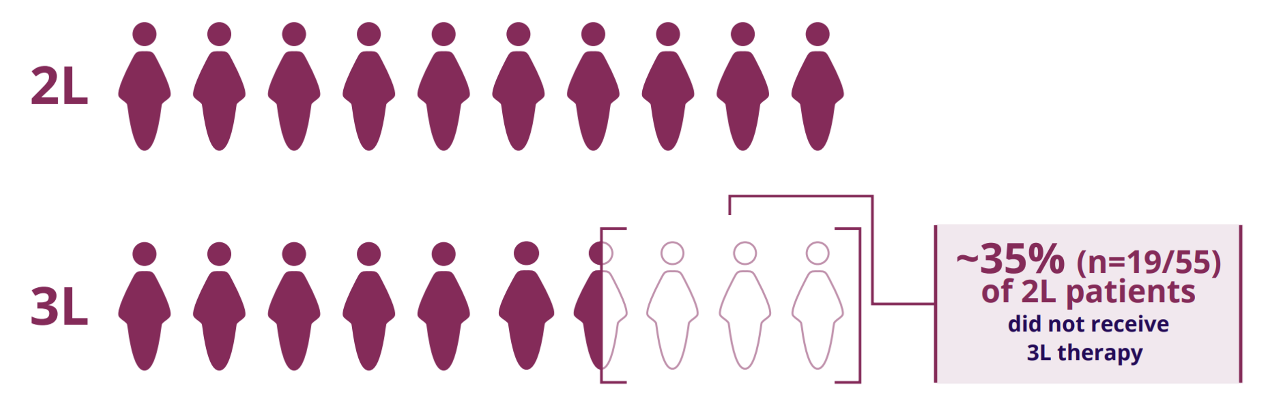
In HER2+ mBC, with each new line of therapy, fewer patients are treated2

In a real-world, retrospective, observational study involving the UK, 35% of patients with HER2+ mBC who completed treatment at 2L did not receive 3L therapy2

infographic comparing patients receiving 2L vs 3L therapy in HER2-positive metastatic breast cancer

Limitations important when interpreting results: retrospective, observational cohort study.2

Adapted from Cottu P, et al. 2025

Retrospective, observational cohort study (presented at SABCS 2023) conducted in EU4 countries (France, Germany, Italy and Spain) and the UK. This analysis included data from 496 women diagnosed with HER2+ mBC between 2017 and 2021. In total, 113 patients were started on 1L therapy in the UK. Figure data has been calculated from attrition rates between lines of therapy.2

Could treating patients with an effective therapy in second-line reduce attrition between second- and third-line?

Abbreviations
1L, first line; 2L, second line; 3L, third line; HER2, human epidermal growth factor receptor 2; mBC, metastatic breast cancer.

Important safety information

For important safety information, see ENHERTU Summary of Product Characteristics.

  • ENHERTU UK SmPC ➤

References

  1. ENHERTU (trastuzumab deruxtecan). Summary of Product Characteristics.
  2. Cottu P, et al. Breast Cancer Res Treat. 2025;209:419–430.

DESTINY-BREAST03

Study design

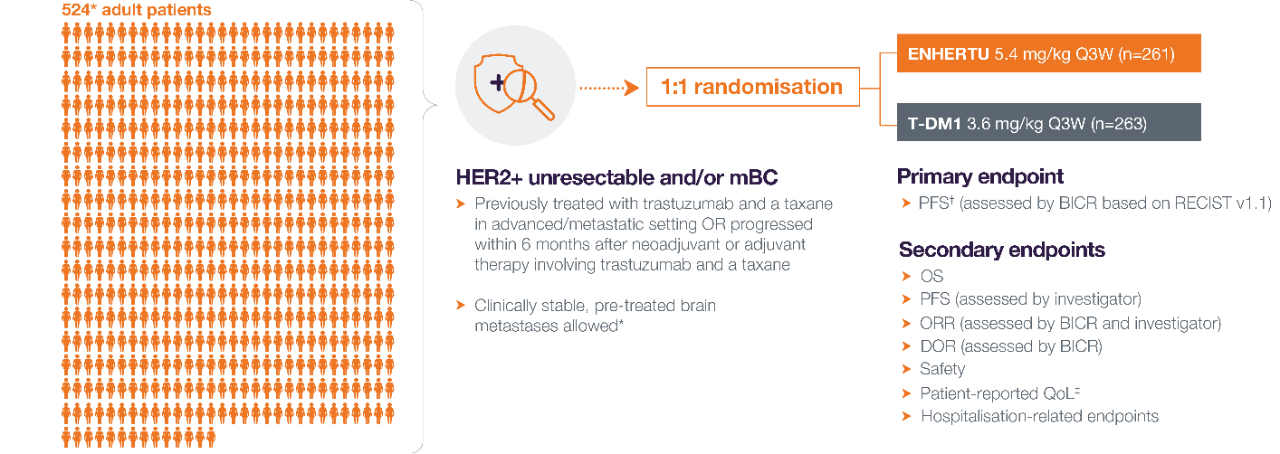
The DESTINY-Breast03 trial is a Phase III, multicentre, open-label, international, randomised study to compare the efficacy and safety of ENHERTU vs trastuzumab emtansine (T-DM1) in patients with HER2+ unresectable and/or metastatic breast cancer (mBC).1–3


DESTINY-Breast03 clinical trial study design and endpoints DESTINY-Breast03 clinical trial study design and endpoints
Selected exclusion criteria2,3
  • History of ILD/pneumonitis requiring steroids or ILD/pneumonitis at screening
  • History of uncontrolled or clinically significant cardiac disease
  • Active (progressing), untreated brain metastases
  • ECOG PS >1
  • Prior treatment with an anti-HER2 ADC in the metastatic setting
Selected inclusion criteria2,3
  • ≥18 years of age
  • Unresectable and/or metastatic breast cancer
  • HER2-positive (centrally confirmed)
  • Previously treated with trastuzumab and a taxane in advanced or metastatic setting or progressed within 6 months after neoadjuvant or adjuvant therapy involving trastuzumab and a taxane
  • Clinically stable, pre-treated brain metastases*

*Patients with treated brain metastases who were no longer symptomatic and who did not require treatment with corticosteroids or anticonvulsants were included in the study if they had recovered from the acute toxic effect of radiotherapy. A minimum of 2 weeks must have elapsed between the end of whole-brain radiotherapy and study enrolment.2
†The primary endpoint in the DESTINY-Breast03 clinical trial was PFS by BICR.3 PFS based on BICR is defined as the time from the date of randomisation to the earliest date of the first objective documentation of radiographic disease progression per BICR according to RECIST version 1.1 or death due to any cause.2
‡As measured by quality-of-life questionaires EORTC QLQ-C30, EORTC QLC-BR45, and EQ-5D-5L.2

Abbreviations
ADC, antibody-drug conjugate; BICR, blinded independent central review; DOR, duration of response; ECOG PS, Eastern Cooperative Oncology Group performance status; EORTC, European Organisation for Research and Treatment of Cancer; EQ, EuroQol; HER2, human epidermal growth factor receptor 2; ILD, interstitial lung disease; mBC, metastatic breast cancer; ORR, objective response rate; OS, overall survival; PFS, progression-free survival; Q3W, once every 3 weeks; RECIST, Response Evaluation Criteria In Solid Tumours; T-DM1, trastuzumab emtansine.

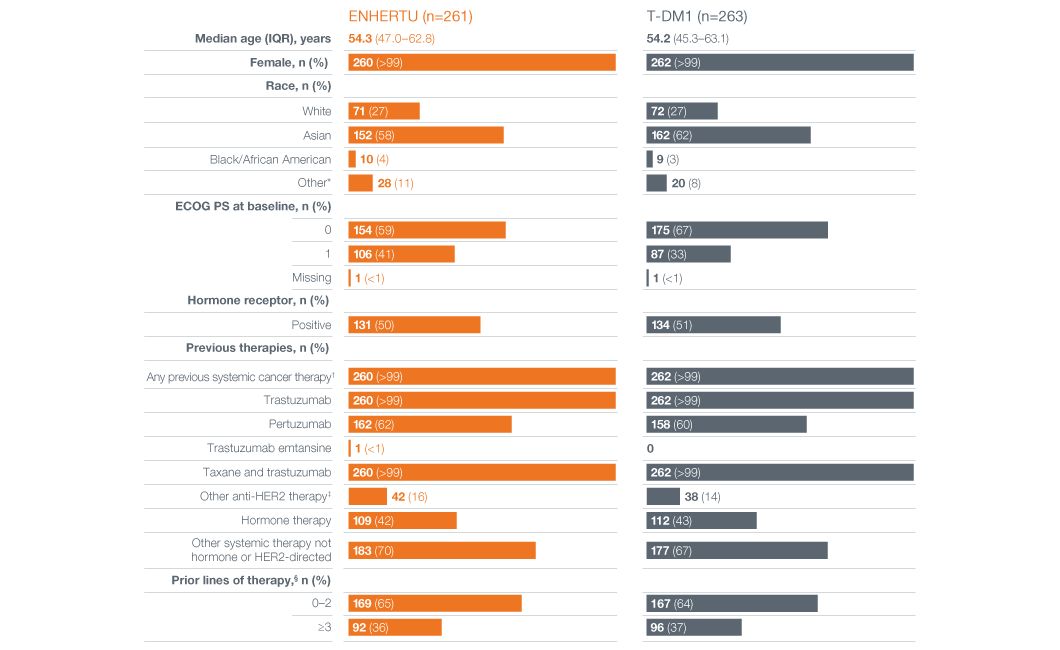
Patient demographics were balanced between treatment arms.3

Table of DESTINY-Breast03 baseline patient characteristics and demographics in both treatment arms

Adapted from Hurvitz S, et al. 2023.3

Data cut-off was 25 July 2022.3

*Patients who reported multiple races were included.3
†Two patients (one in each treatment group) were randomly assigned in error and the previous cancer systemic therapy case report form was not completed.3
‡Includes anti-HER2 tyrosine kinase inhibitor and other anti-HER2 antibody or antibody-drug conjugate.3
§Includes regimens indicated for advanced or metastatic disease or early progression within 6 months of regimen for neoadjuvant or adjuvant (12 months for pertuzumab).3

Abbreviations
ECOG PS, Eastern Cooperative Oncology Group performance status; HER2, human epidermal growth factor receptor 2; T-DM1, trastuzumab emtansine.
Efficacy

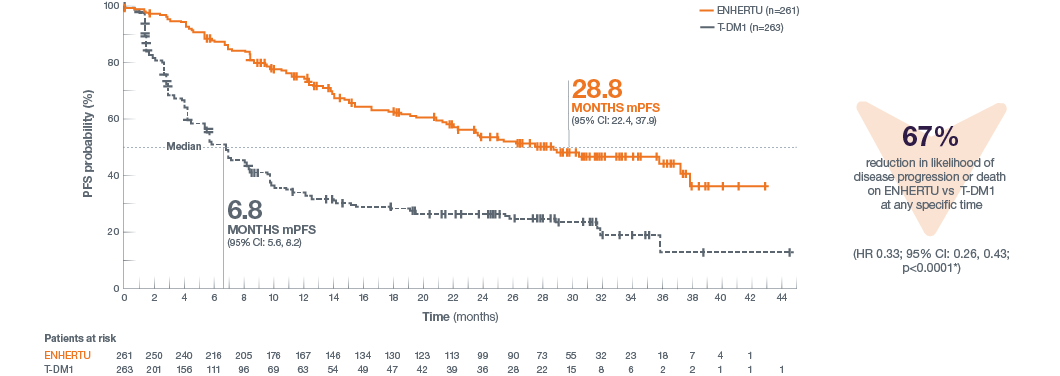
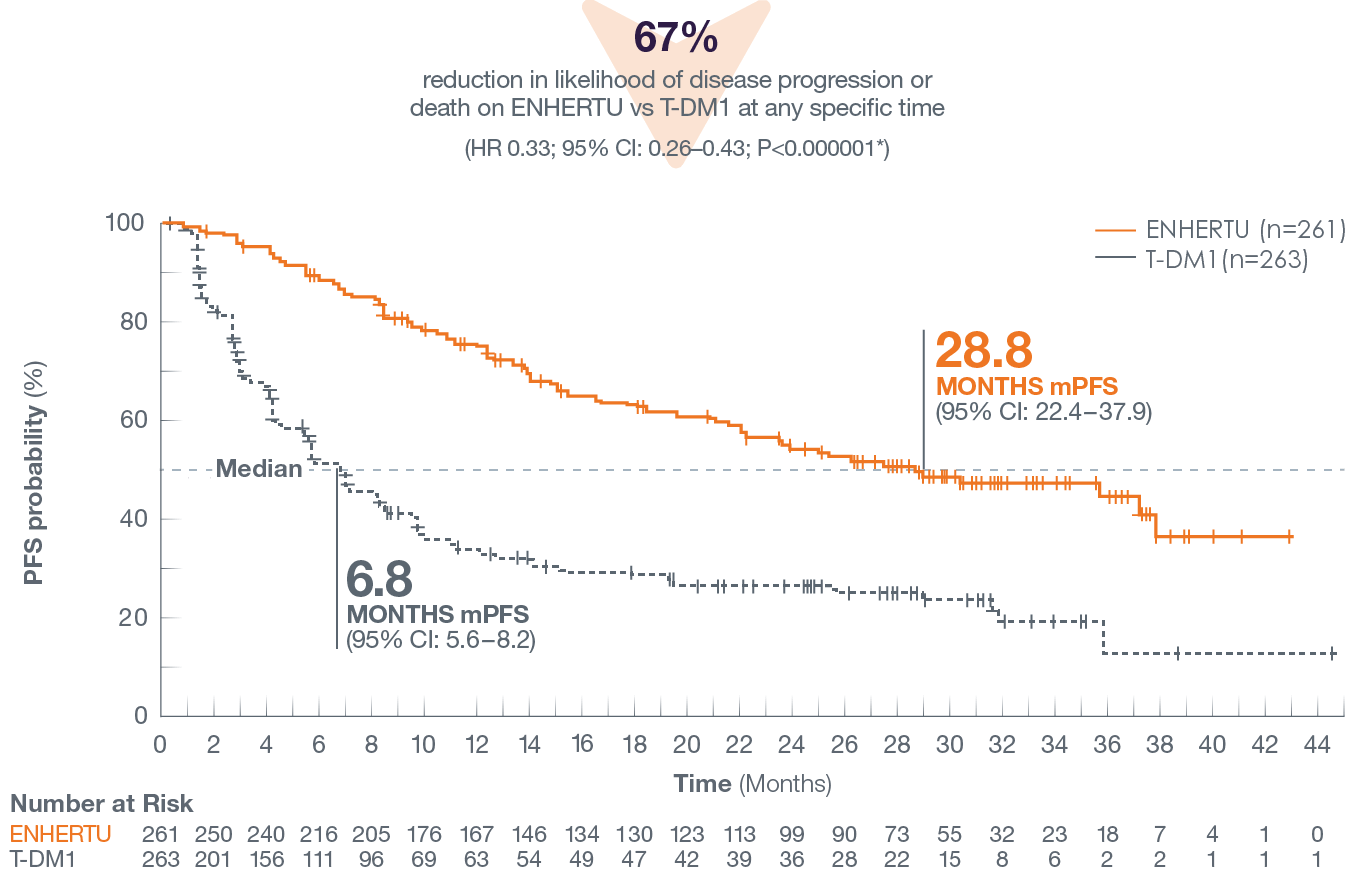
Improvement in mPFS with ENHERTU vs T-DM13

mPFS with ENHERTU was ~4 times longer vs T-DM1 (28.8 months vs 6.8 months).3


mPFS by BICR3

Graph of DESTINY-Breast03 progression free survival by BICR, with mPFS and hazard ratio figures Graph of DESTINY-Breast03 progression free survival by BICR, with mPFS and hazard ratio figures


Adapted from Hurvitz S, et al. 2023.3

Data cut-off was 25 July 2022.3

*Nominal p-value.3

Abbreviations
BICR, blinded independent central review; CI, confidence interval; HR, hazard ratio; mPFS, median progression-free survival; PFS, progression-free survival; T-DM1, trastuzumab emtansine.

Updated exploratory PFS analysis (July 2022 DCO) was not tested for statistical significance. In the primary analysis (May 2021 DCO), the primary endpoint was met with statistically significant PFS by BICR versus T-DM1 (HR: 0.28; 95% CI: 0.22–0.37; p<0.001), therefore no further hypothesis testing on the primary endpoint was required.1,3

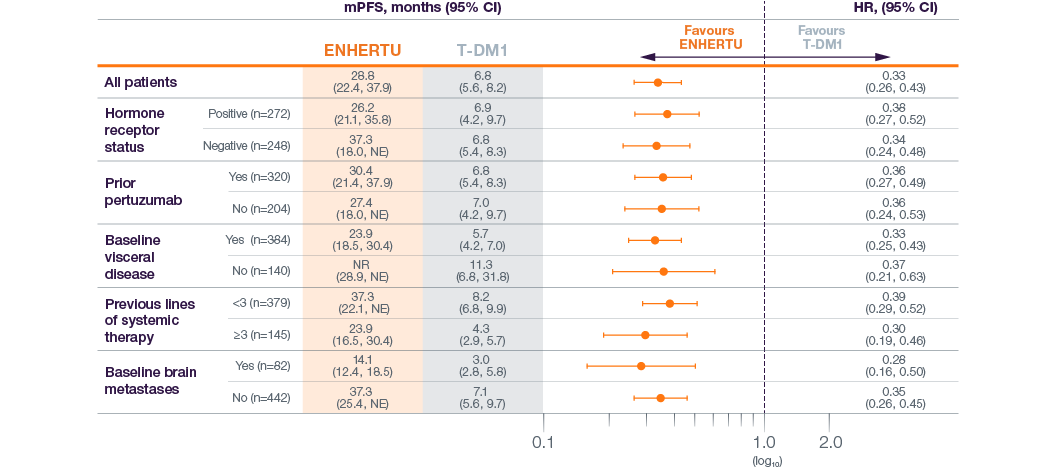
The hazard ratio for PFS consistently favoured ENHERTU across all pre-specified subgroups vs T-DM13,6

Subgroup analysis of PFS6

Infographic displaying DESTINY-Breast02 subgroup analysis of mPFS, compaing the two treatment arms

Adapted from Hurvitz S, et al. 2023.6

Data cut-off was 25 July 2022.3

*Analyses were not powered to evaluate differences in treatment efficacy between subgroups

Abbreviations
CI, confidence interval; NE, not estimable; NR, not reached; PFS, progression-free survival; T-DM1, trastuzumab emtansine.
*Prior lines of systemic therapy not including hormone therapy.

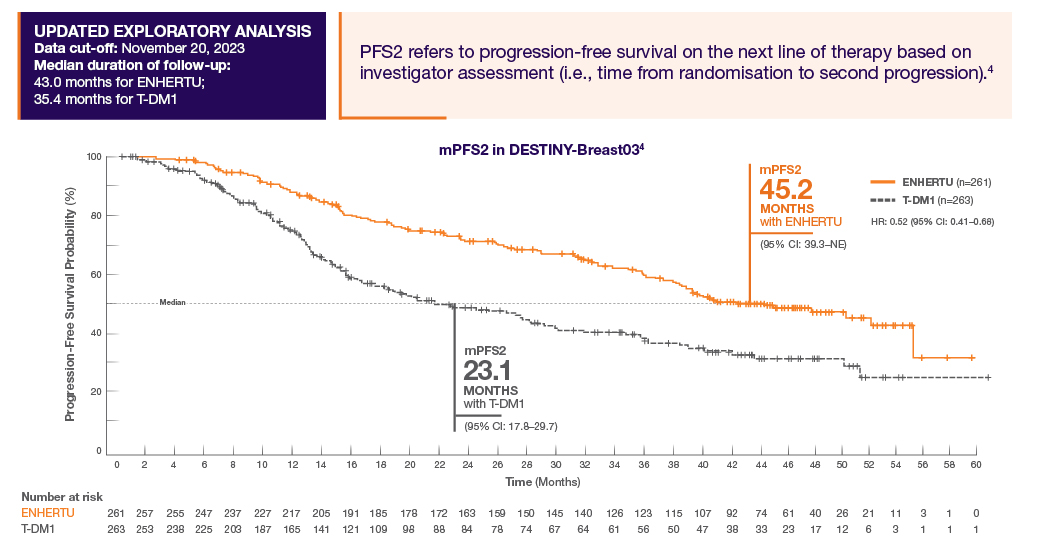
PFS2 was almost twice as long with ENHERTU versus T-DM14

PFS2 refers to progression-free survival on the next line of therapy based on investigator assessment (i.e., time from randomisation to second progression)4

This prespecified exploratory analysis was not powered to detect treatment effect differences between treatment groups.

Graph of DESTINY-Breast03 PFS2, with mPFS2 figures Graph of DESTINY-Breast03 PFS2, with mPFS2 figures


Adapted from Cortés J, et al. 2024.4

Data cut-off 20 November 2023.

Abbreviations
CI, confidence interval; HR, hazard ratio; NE, not evaluable; PFS2, time to second progression event or death after a first progression event; T-DM1, trastuzumab emtansine.
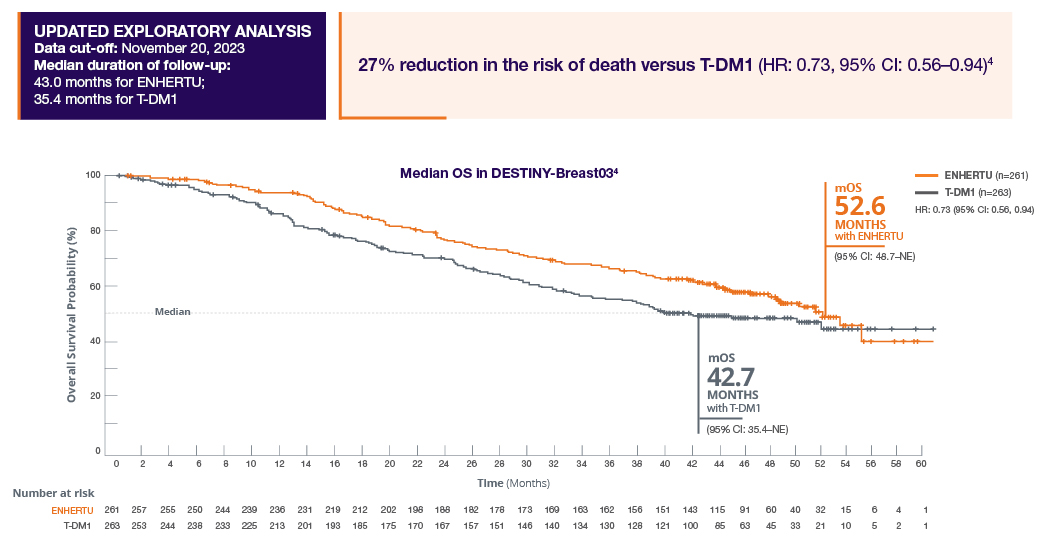
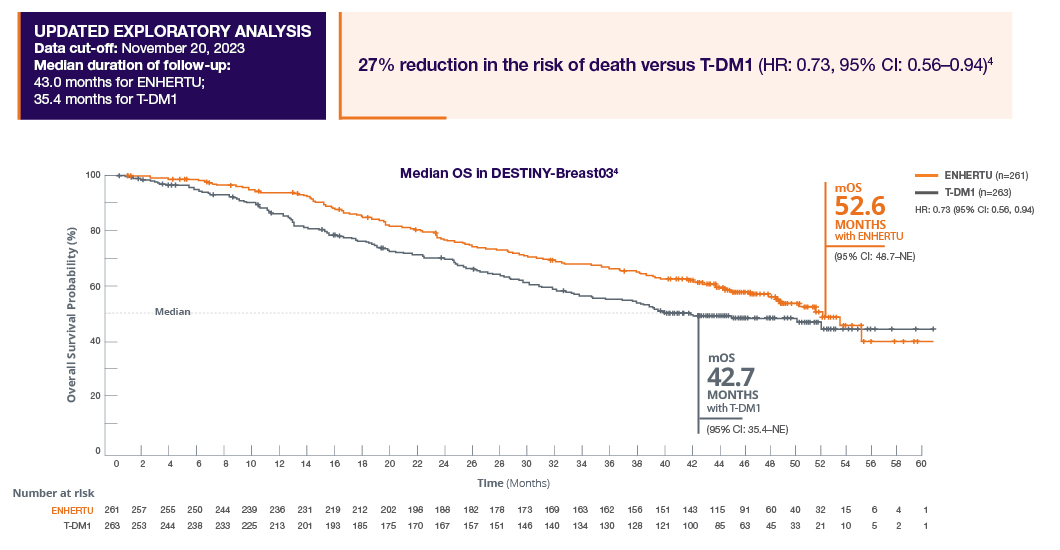
ENHERTU improved OS versus T-DM1 by approximately 10 months (secondary endpoint)4

27% reduction in the risk of death versus T-DM1 (HR: 0.73, 95% CI: 0.56–0.94)4


Overall survival4

Graph of DESTINY-Breast03 overall survival, with mOS figures Graph of DESTINY-Breast03 overall survival, with mOS figures


Adapted from Cortés J, et al. 2024.4

Crosses indicate where data were censored; numbers of patients censored are not stated.

Abbreviations
CI, confidence interval; HR, hazard ratio; mOS, median OS; NE, not evaluable; OS, overall survival; T-DM1, trastuzumab emtansine.
Of patients who discontinued study treatment, 144 (69.6%) of those in the ENHERTU arm and 198 (78.9%) of those in the T-DM1 arm received post anti-cancer systemic therapy. In the ENHERTU group, 75 patients (52.1%) received T-DM1 and 12 patients (8.3%) received ENHERTU; in the T-DM1 group, 64 patients (32.3%) received ENHERTU and 26 patients (13.1%) received T-DM1 after the trial.4

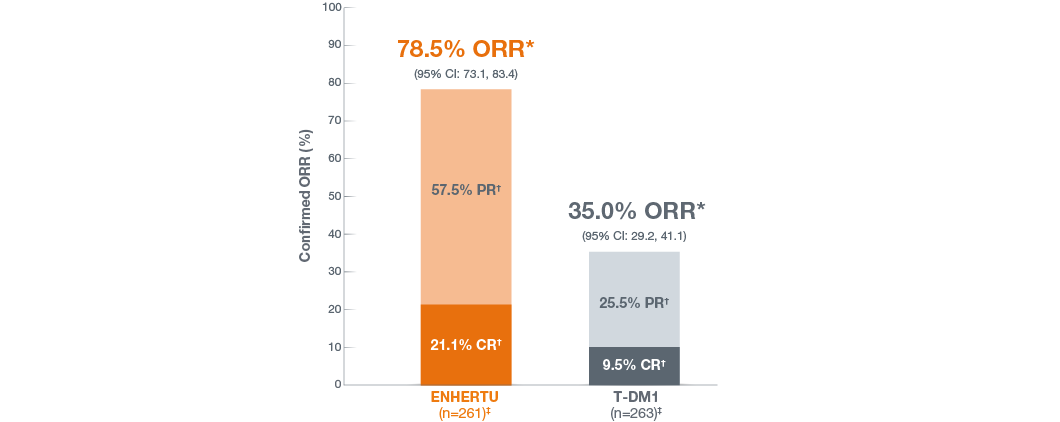
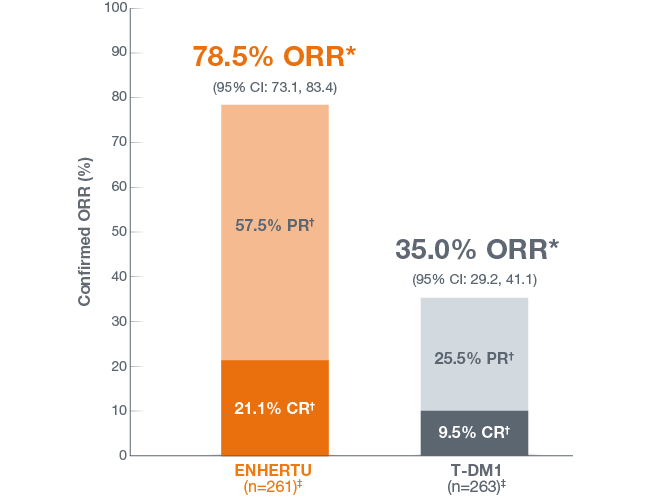
The majority of ENHERTU-treated patients attained an ORR. Around 1 in 5 (21%) experienced a complete response.3

Response rates by BICR for ENHERTU vs T-DM16


Adapted from Hurvitz S, et al. 20233 and Hurvitz S, et al. 2022.6

Data cut-off was 25 July 2022.3

*ORR = CR+PR.
†A complete response (CR) is defined as the disappearance of all target lesions, and a partial response (PR) is defined as at least a 30% decrease in the sum of the target lesions.7
‡Only patients with measurable disease at baseline and at least 1 post-baseline target lesion assessment were included.6

Abbreviations
CI, confidence interval; CR, complete response; ORR, objective response rate; PR, partial response; T-DM1, trastuzumab emtansine.
Safety

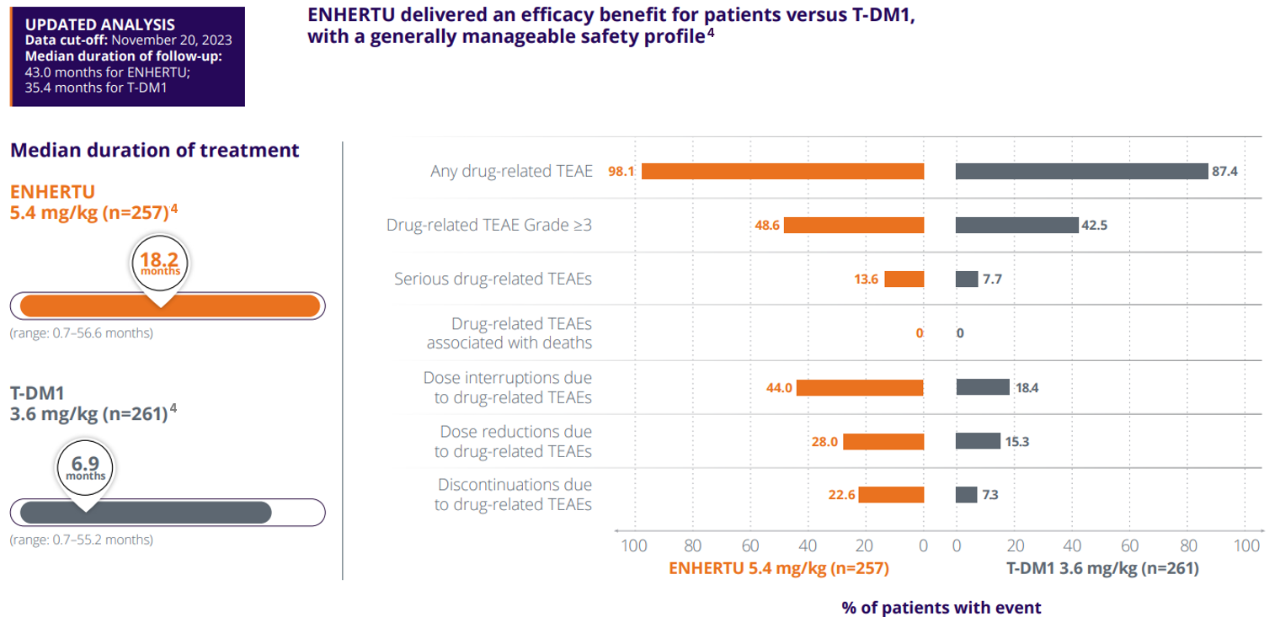
ENHERTU demonstrated a generally manageable toxicity profile4

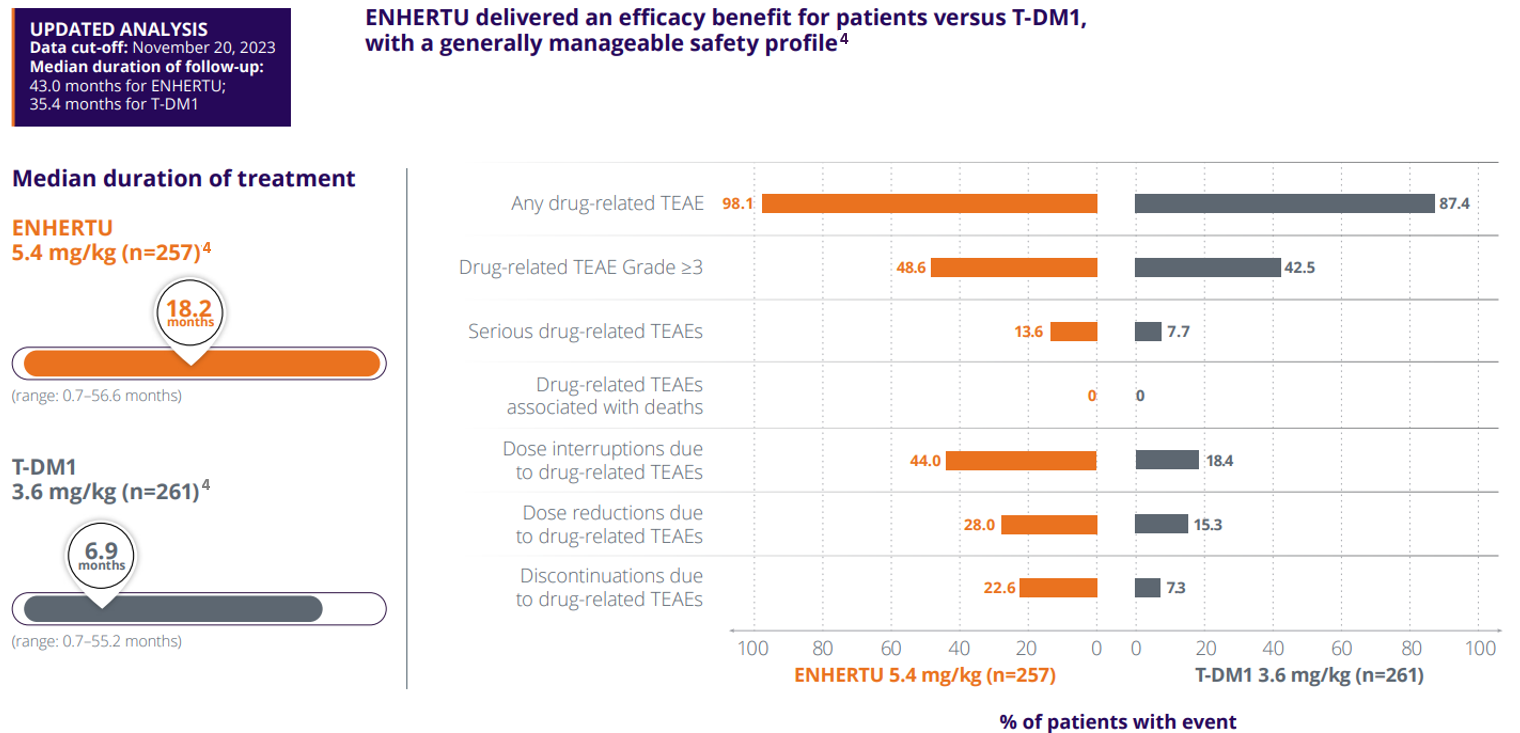
Patients treated with ENHERTU experienced similar rates of drug-related TEAEs (any-grade and grade ≥3) versus T-DM1 in DESTINY-Breast034

Graph of DESTINY-Breast03 median duration of treatment and drug-related TEAEs for both treatment arms Graph of DESTINY-Breast03 median duration of treatment and drug-related TEAEs for both treatment arms Graph of DESTINY-Breast03 response rates for both treatment arms


Adapted from Cortés J, et al. 2024.4

In a pooled safety analysis of patients treated with Enhertu at 5.4mg/kg dose, confirmed ILD/pneumonitis occurred in ~12% of patients. Most ILD cases were Grade 1 or 2 (~10%). Grade 3 / 4 ILD cases occurred in ~1% of patients. Grade 5 (fatal) ILD occurred in ~1% of patients.1

Please refer to the ENHERTUE SmPC for the full list of adverse events.

Abbreviations
T-DM1, trastuzumab emtansine; TEAE, treatment-emergent adverse event.

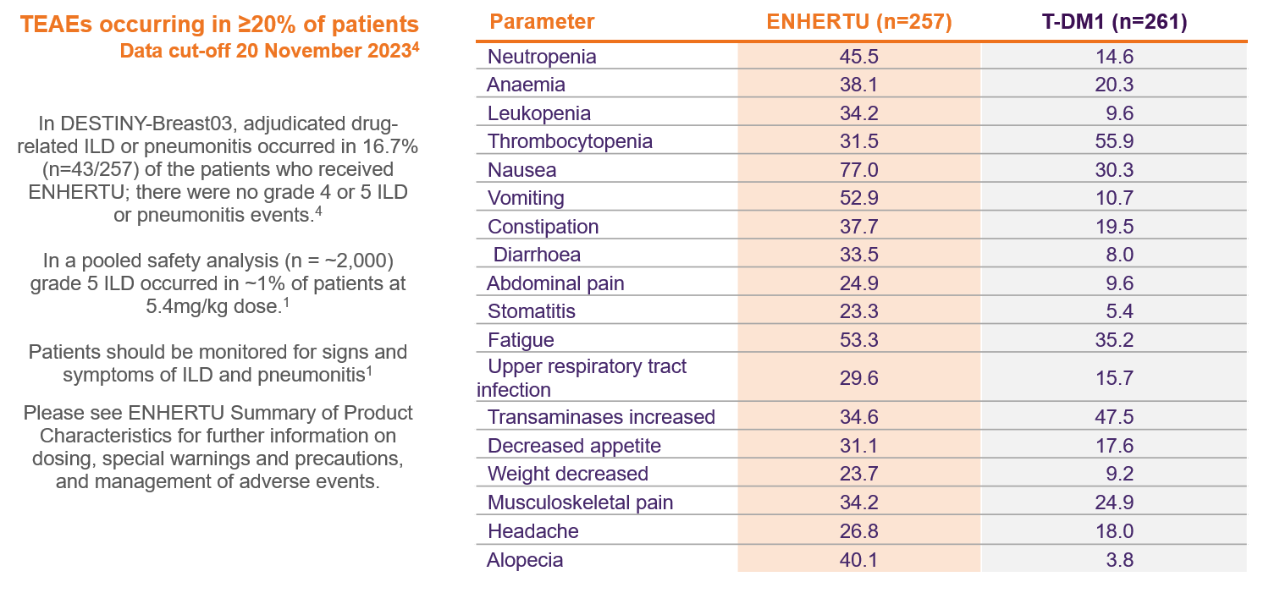
The safety profile was consistent with what we have seen in prior ENHERTU trials.4

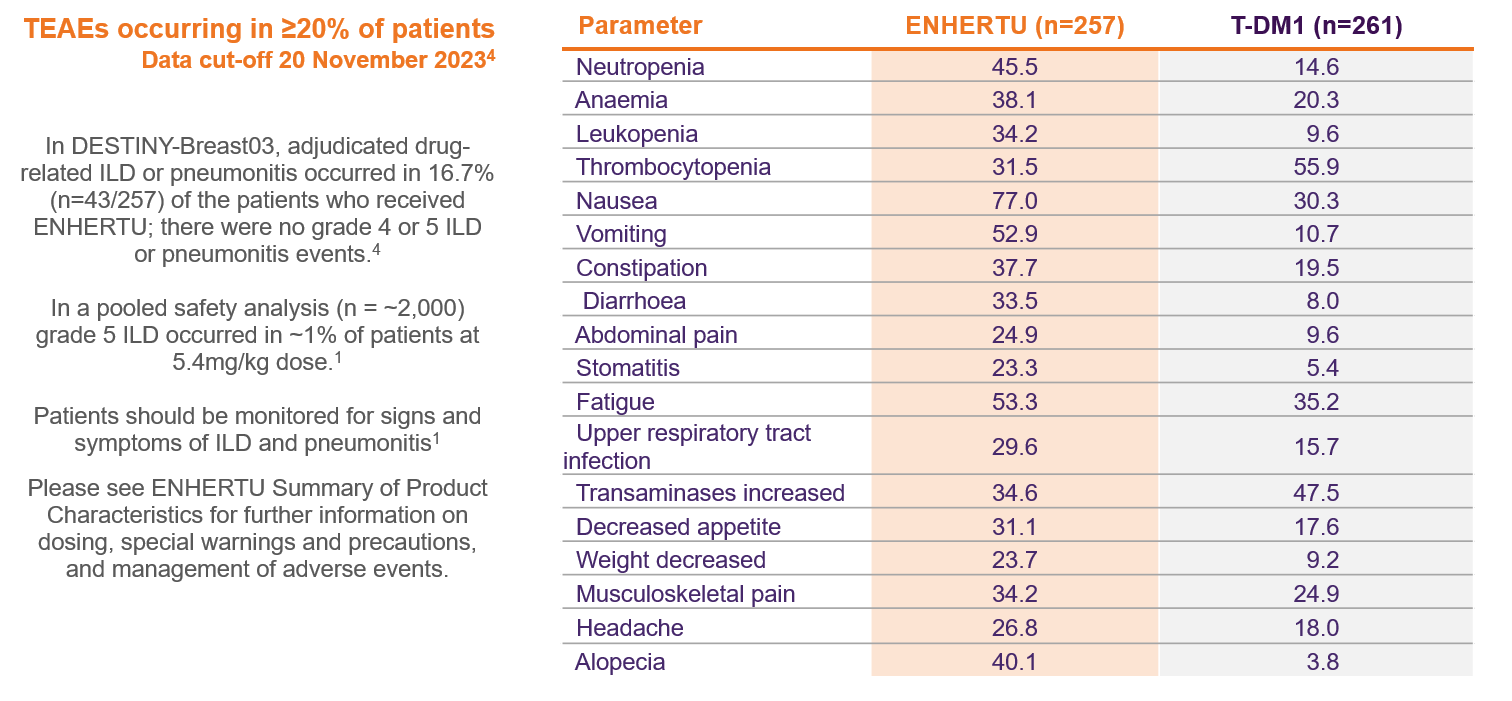
TEAEs occurring in ≥20% of patients4

Table of DESTINY-Breast03 TEAEs occurring in ≥20% of patients for both treatment arms Table of DESTINY-Breast03 TEAEs occurring in ≥20% of patients for both treatment arms Table of DESTINY-Breast03 TEAEs occurring in ≥20% of patients for both treatment arms

Adapted from Cortés J, et al. 2024.4


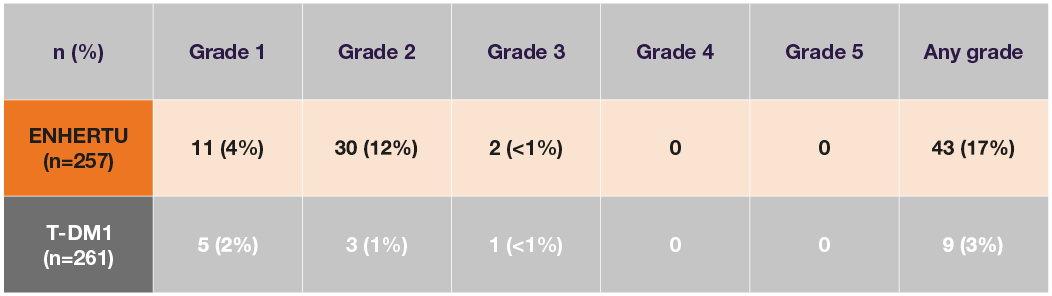
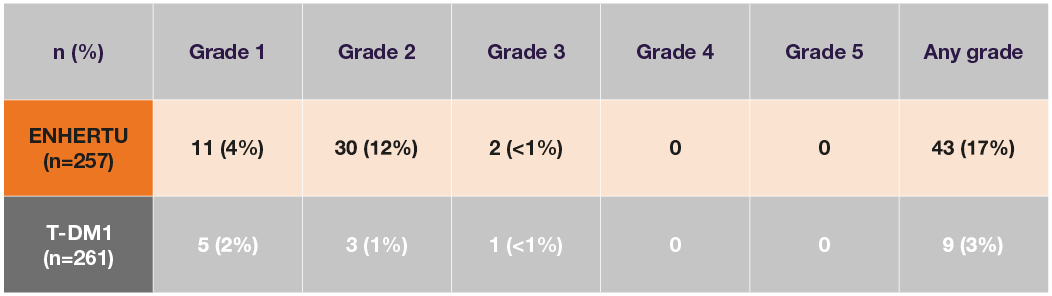
Interstitial lung disease (ILD)/pneumonitis§

Patients and healthcare professionals should be aware of the risk of ILD as well as promptly identifying and reporting symptoms in order to initiate appropriate management.1

Table of DESTINY-Breast03 rates of interstitial lung disease (ILD)/pneumonitis in both treatment arms Table of DESTINY-Breast03 rates of interstitial lung disease (ILD)/pneumonitis in both treatment arms Table of DESTINY-Breast03 rates of interstitial lung disease (ILD)/pneumonitis in both treatment arms


Adapted from Cortés J, et al. 2024.4

Data cut-off 20 November 2023.

For more information on the management of ILD/pneumonitis click here.

§The grade is based on the worst Common Terminology Criteria for Adverse Events (CTCAE) grade within the same adverse or ILD event.


Abbreviations
ILD, interstitial lung disease; T-DM1, trastuzumab emtansine; TEAE, treatment-emergent adverse event.

References

  1. ENHERTU (trastuzumab dertuxtecan). Summary of Product Characteristics.
  2. Cortés J, et al. N Engl J Med. 2022;386:1143–1154.
  3. Hurvitz SA, at al. Lancet. 2023;401(10371): 105–117.
  4. Cortes J, et al. Nat Med. 2024; 30: 2208-2215.
  5. Hurvitz SA, et al. presented at San Anotonio Breast Cancer (SABC) 2022. Presentation GS2-02.
  6. Hurvitz SA, at al. Lancet. 2023;401(10371): 105–117. Supplementary appendix.
  7. Ruchalski K, et al. Eur J Radiol Open 2022;9:100426.


DESTINY-BREAST02

Study design

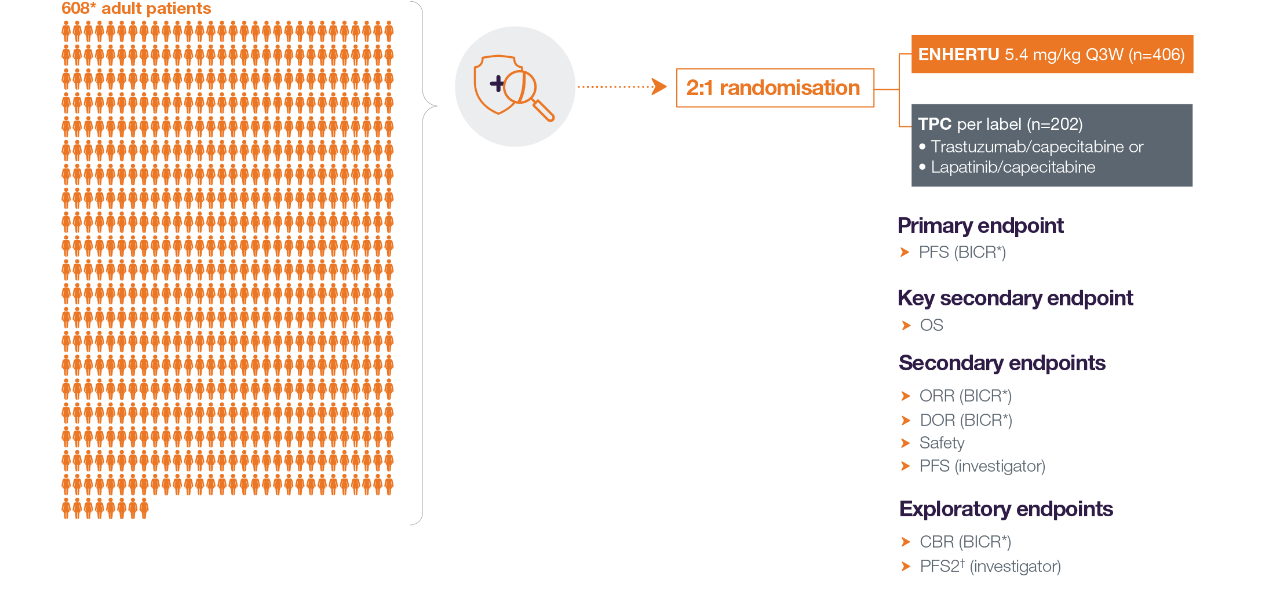
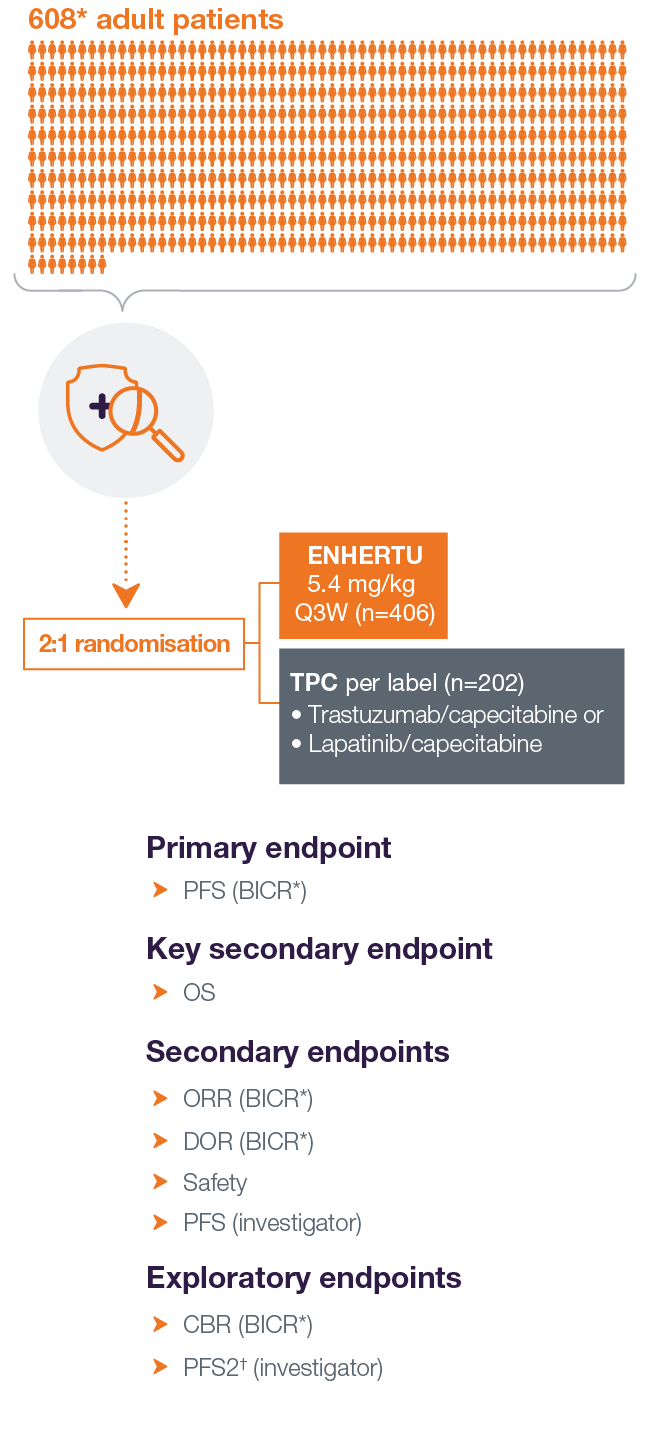
DESTINY-Breast-02 is a Phase III, randomised, multicentre, open-label study that evaluated the efficacy and safety of ENHERTU vs treatment of physician’s choice (TPC) in patients with HER2+ unresectable and/or metastatic breast cancer (mBC) previously treated with trastuzumab emtansine (T-DM1).1,2

DESTINY-Breast02 clinical trial study design and endpoints DESTINY-Breast02 clinical trial study design and endpoints

Key eligibility criteria2‡

  • Centrally confirmed HER2-positive (IHC 3+ or IHC 2+/ISH+) unresectable or metastatic breast cancer
  • Documented radiographic progression after most recent treatment
  • Previously treated with T-DM1

Stratification factors2

  • Hormone receptor status
  • Prior treatment with pertuzumab
  • History of visceral disease

*BICR assessed per mRECIST 1.1.2
†PFS2 was defined as the time from date of randomisation to the first documented progression on the next line of therapy or death due to any cause, whichever came first.2
‡Patients with clinically inactive brain metastases and patients with treated brain metastases that were no longer symptomatic and that required no treatment with corticosteroids or anticonvulsants could be included.2

Abbreviations
BICR, blinded independent central review; CBR, clinical benefit rate; DOR, duration of response; HER2, human epidermal growth factor receptor 2; IHC, immunohistochemistry; ISH, in situ hybridisation; mBC, metastatic breast cancer; mRECIST, modified Response Evaluation Criteria in Solid Tumours; ORR, objective response rate; OS, overall survival; PFS, progression-free survival; Q3W, once every 3 weeks; T-DM1, trastuzumab emtansine; TPC, treatment of physician’s choice.

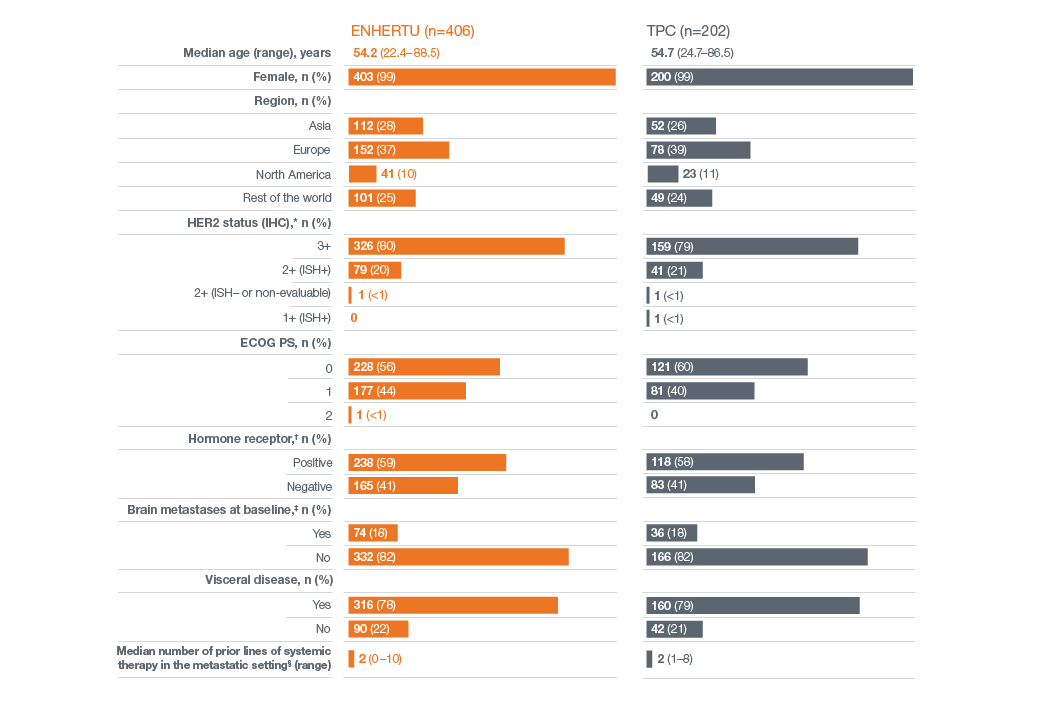
Patient demographics were balanced across treatment arms.2

Table of DESTINY-Breast02 baseline patient characteristics and demographics in both treatment arms

Adapted from Krop I, et al. 2022.2

*HER2 status as evaluated by central laboratory testing.2
†3 (0.7%) patients in the ENHERTU arm and 1 (0.5%) patient in the TPC arm had indeterminate hormone receptor status (neither oestrogen receptor nor progesterone receptor positive and oestrogen receptor indeterminate or progesterone receptor indeterminate) based on factors reported from EDC.2
‡Patients with clinically inactive brain metastases and patients with treated brain metastases that were no longer symptomatic and that required no treatment with corticosteroids or anticonvulsants could be included.2
§Includes regimens indicated for advanced/metastatic disease or rapid progression within 6 months of (neo)adjuvant (12 months for pertuzumab) therapy. Line of therapy does not include hormone therapy.2

Abbreviations
ECOG PS, Eastern Cooperative Oncology Group performance status; EDC, electronic data capture; HER2, human epidermal growth factor receptor 2; IHC, immunohistochemistry; ISH, in situ hybridisation; TPC, treatment of physician’s choice.

Efficacy

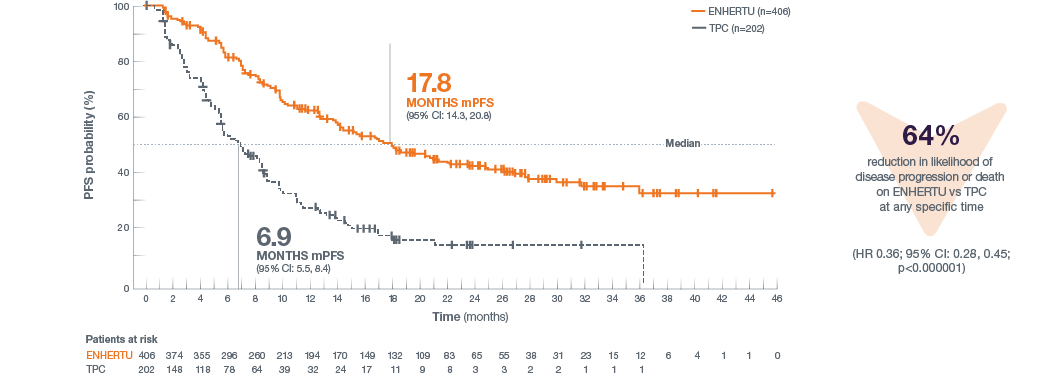
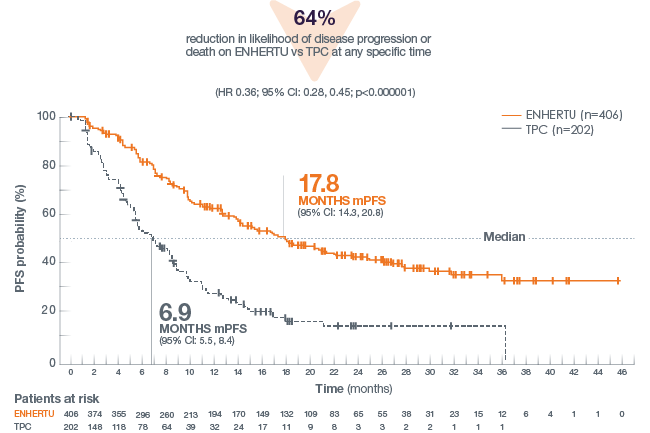
ENHERTU demonstrated statistically significant improvement in mPFS vs TPC2

mPFS with ENHERTU was ~3 times longer vs TPC (mPFS of 17.8 vs 6.9 months).2

mPFS by BICR2

Graph of DESTINY-Breast02 progression free survival by BICR, with mPFS and hazard ratio figures Graph of DESTINY-Breast02 progression free survival by BICR, with mPFS and hazard ratio figures


Adapted from Krop I, et al. 2022.2

Data cut-off was 30 June 2022.2

Abbreviations
BICR, blinded independent central review; CI, confidence interval; HR, hazard ratio; mPFS, median progression-free survival; T-DM1, trastuzumab emtansine; TPC, treatment of physician’s choice.

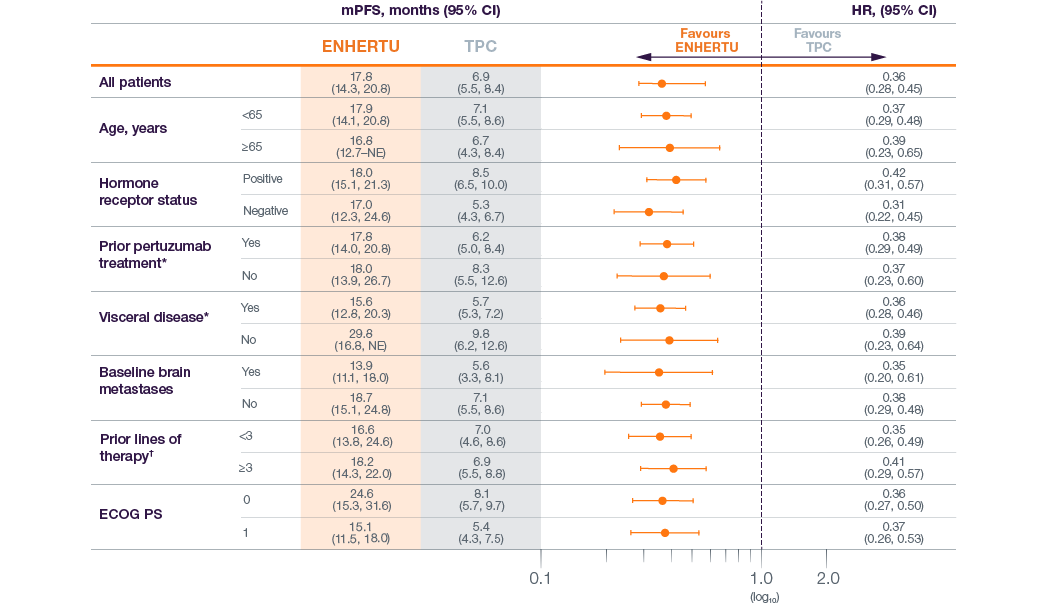
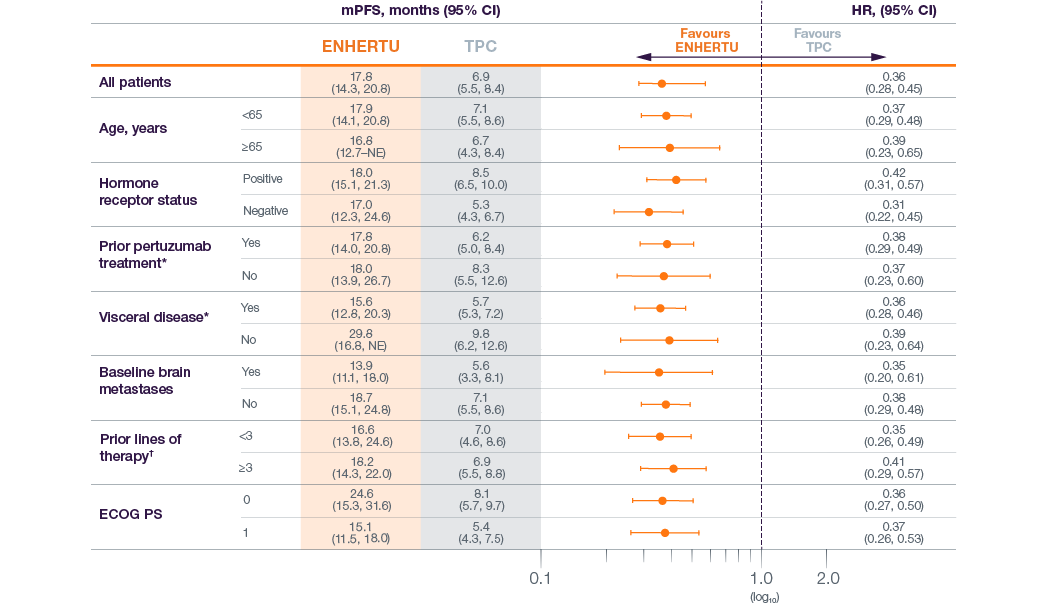
The hazard ratio for disease progression or death consistently favoured ENHERTU over TPC.2

mPFS in key subgroups2

Infographic displaying DESTINY-Breast02 subgroup analysis of mPFS, compaing the two treatment arms Infographic displaying DESTINY-Breast02 subgroup analysis of mPFS, compaing the two treatment arms

Adapted from Krop I, et al. 2022.2

Data cut-off was 30 June 2022.2

*Subgroup values are derived from baseline.2
†Lines of prior systemic therapy not including hormone therapy.2

Abbreviations
CI, confidence interval; ECOG PS, Eastern Cooperative Oncology Group performance status; mPFS, median progression-free survival; NE, not estimable; T-DM1, trastuzumab emtansine; TPC, treatment of physician’s choice.

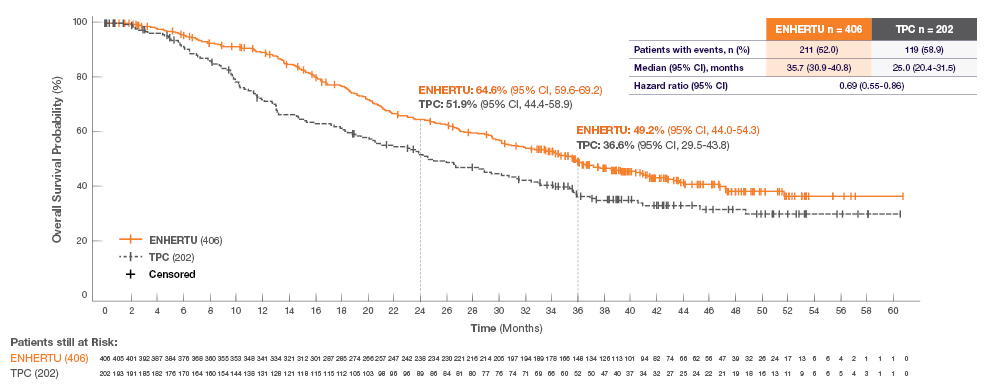
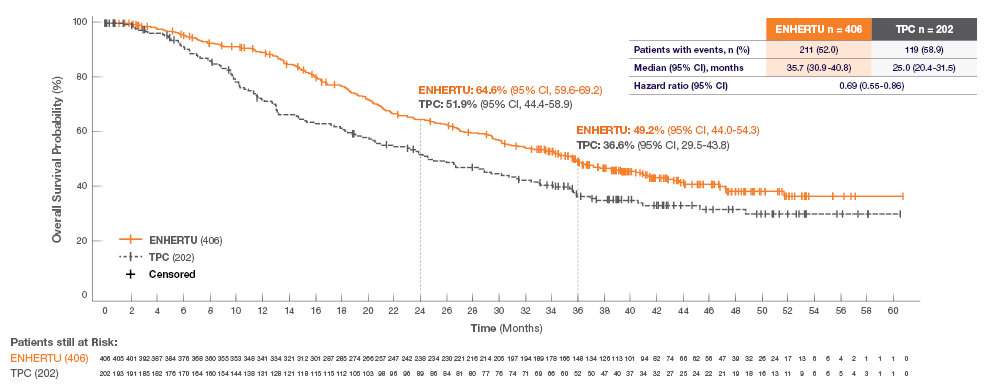
At the most recent Sept 2023 data cut-off, the median duration of follow-up was 26.8 months in the ENHERTU treatment group3

Enhertu demonstrated a 31% reduction in the risk of death vs. TPC (mOS of 35.7 and 25.0 months respectively)3

Overall survival3

Graph of DESTINY-Breast02 overall survival, with mOS figures Graph of DESTINY-Breast02 overall survival, with mOS figures


Adapted from Kim SB, et al. 2024.3

Data cut-off was 29 September 2023.3


Of patients who discontinued study treatment, 247 (70.8%) of those in the ENHERTU arm and 148 (75.9%) of those in the TPC arm received post-trial anti-cancer systemic therapy. The most common subsequent therapy in both arms was trastuzumab. Also in the TPC group, 69 patients (46.6%) went on to receive ENHERTU.3

Abbreviations
CI, confidence interval; HR, hazard ratio; mOS, median overall survival; NE, not estimable; OS, overall survival; T-DM1, trastuzumab emtansine; TPC, treatment of physician’s choice.

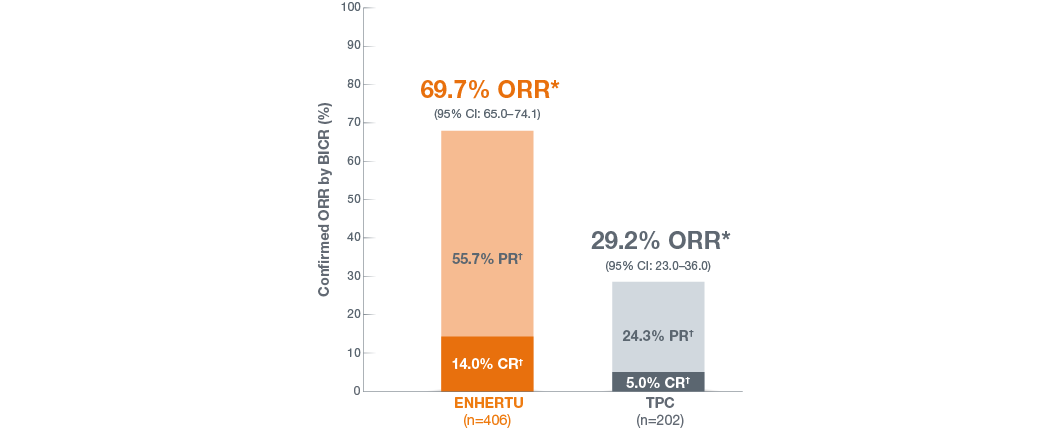
Among the patients treated with ENHERTU, 70% experienced an objective response vs 29% of patients treated with TPC.2
Around 14% of patients treated with ENHERTU experienced a complete response.2

Response rates by BICR for ENHERTU vs TPC2

Graph of DESTINY-Breast02 response rates for both treatment arms Graph of DESTINY-Breast02 response rates for both treatment arms

Adapted from Krop I, et al. 2022.2

Data cut-off was 30 June 2022.2

*ORR = CR+PR.
†A complete response (CR) is defined as the disappearance of all target lesions, and a partial response (PR) is defined as at least a 30% decrease in the sum of the target lesions.4

Abbreviations
BICR, blinded independent central review; CI, confidence interval; CR, complete response; ORR, objective response rate; PR, partial response; TPC, treatment of physician’s choice.

Safety

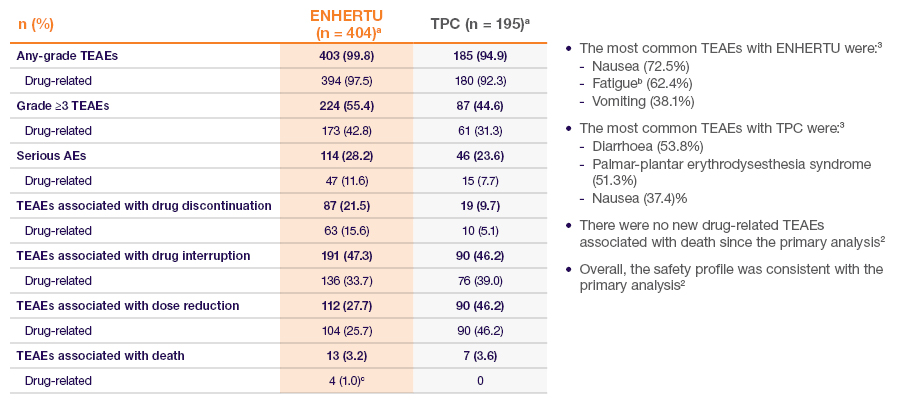
ENHERTU demonstrated a generally manageable safety profile2,3

The proportion of patients experiencing drug-related TEAEs (any grade and grade ≥3) was comparable to TPC.2,3

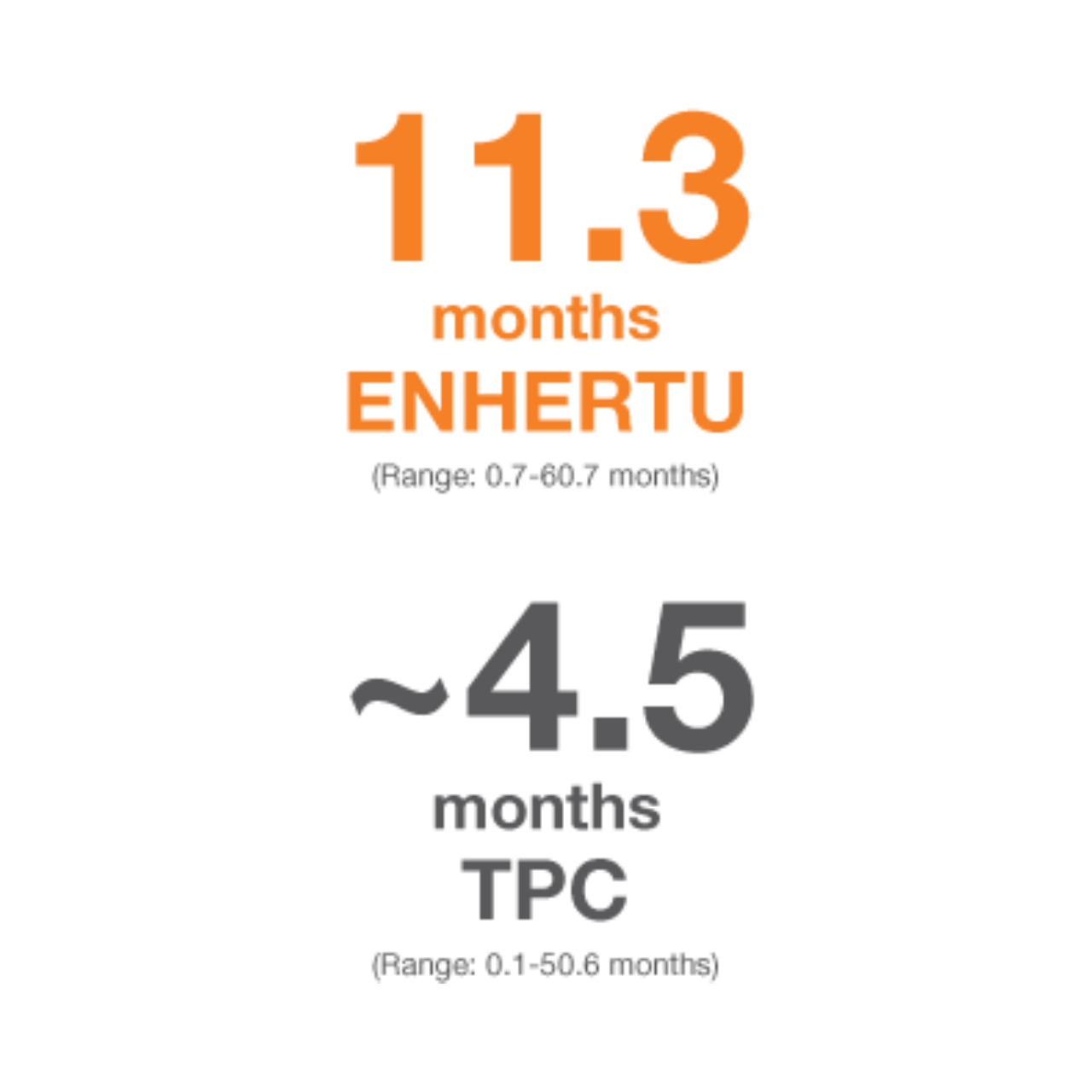
Graph of DESTINY-Breast02 median duration of treatment and drug-related TEAEs for both treatment arms Graph of DESTINY-Breast02 median duration of treatment and drug-related TEAEs for both treatment arms Graph of DESTINY-Breast02 median duration of treatment and drug-related TEAEs for both treatment arms

Median treatment duration3

Adapted from Kim SB, et al. 2024.3

Data cut-off was 29 September 2023.3

aThe safety analysis set includes all randomly assigned patients who received at least 1 dose of study treatment.
bFatigue (fatigue, asthenia, malaise, lethargy).
cDrug-related TEAEs associated with an outcome of death included pneumonitis (n = 2), acute myeloid leukemia (n = 1), and pneumonia (n = 1).

Abbreviations
TEAE, treatment-emergent adverse event; TPC, treatment of physician’s choice.


References

  1. ENHERTU (trastuzumab deruxtecan). Summary of Product Characteristics.
  2. Krop I, et al. Presented at 2022 San Antonio Breast Cancer Symposium (SABCS), 6–10 December 2022; San Antonio, TX. Abstract GS2-01.
  3. Kim SB, et al presented at ESMO Breast 2024.
  4. Ruchalski K, et al. Eur J Radiol Open 2022;9:100426.

UK/ADC/01/25/0008  |  February 2025

Adverse events should be reported. Reporting forms and information can be found at https://yellowcard.mhra.gov.uk/ or search for MHRA Yellow Card in Google Play or Apple App store. Adverse events should also be reported to Daiichi Sankyo UK Pharmacovigilance on 0800 028 5122 or by email to pharmacovigilance@daiichi-sankyo.co.uk. As ENHERTU is a biological medicine, healthcare professionals should report adverse reactions by brand name and batch
number.

daiichi sankyo logo

Astrazeneca logo

Legal Notice and Terms of Use

  • Privacy Notice
  • Cookie Policy
  • Sitemap

ENHERTU® is promoted as part of an alliance between Daiichi Sankyo and AstraZeneca.

ENHERTU® is a registered trademark of Daiichi Sankyo Company, Limited.

©AstraZeneca. UK/ADC/01/25/0006  |  March 2025

This is a promotional website

intended for UK healthcare professionals only.

Please click below to confirm.

I am a member of the public